No More Beanie Baby Decoding Strategies
You have probably heard of the Beanie Baby Decoding Strategies. For many years, they were a popular way to help young readers. The appeal of the strategies was the visual reminders for students when they were stuck on a word. The strategies empowered primary students to tackle unknown words on their own without needing to ask an adult.

However, not all of these strategies are aligned with the science of reading. Some of the strategies such as “Eagle Eye” encourage students to look at the picture and guess the word. When they look away from the word they cannot implement the orthographic mapping process which helps them retain the word. While students may be able to succeed with guessing strategies as emergent readers, it does not help them develop the necessary skills to actually decode a word when they cannot rely on the picture.
If you are one of the teachers (like myself) who used these strategies for years – take a deep breath! Take time to learn more about the science of reading and reflect on your own practices. You’ll begin to realize that not all of the beanie baby strategies are bad! But as they say, once you know better – do better. As a result, I came up with new decoding strategies that are aligned with the science of reading. But the new strategies still use the most effective part of the beanie baby strategies – visual reminders of the decoding strategies!
Meet the New Decoding Strategies
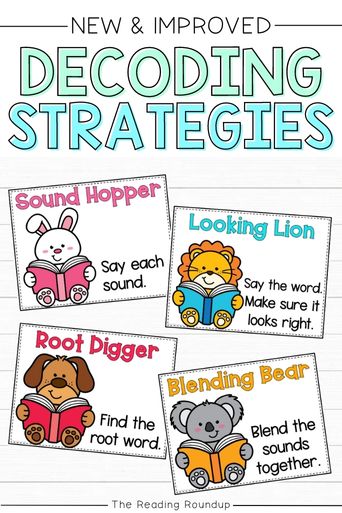
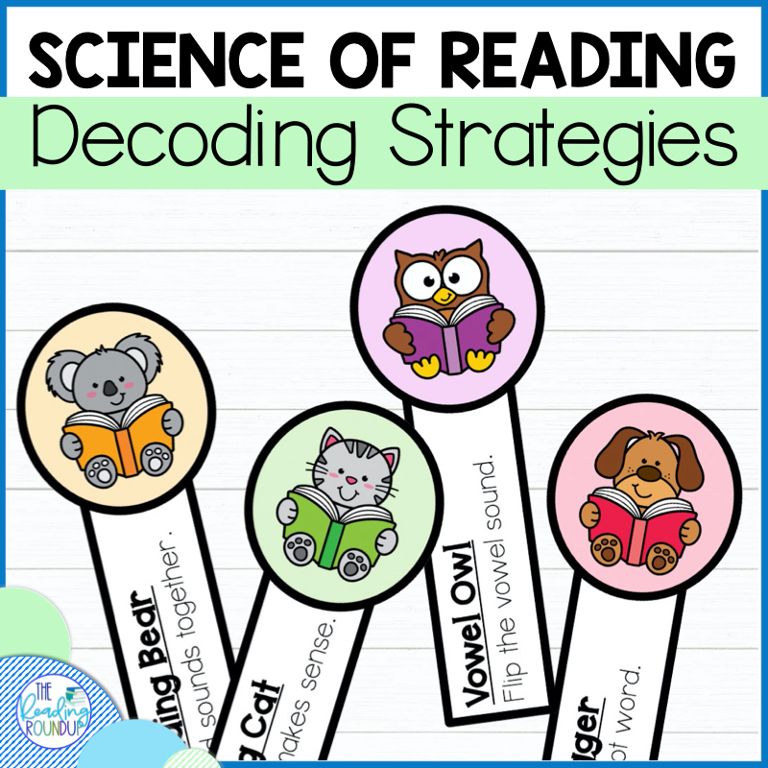
There are 9 decoding strategies that incorporate the skills that proficient readers need to implement. They are all focused on the word and do not encourage students to guess the word! You do not need to introduce the strategies in a specific order and you may not use all of them with your students. Just teach the strategies that your students need.
Sound Hopper

Sound Hopper encourages students to move from left to right as they say each sound in the word. This helps them attend to the entire word.
Syllable Sloth
Students can break an unknown word into syllables to help them decode it. You will want to teach your students the 6 syllable types for this strategy to be most effective for them.

Chunky Pig
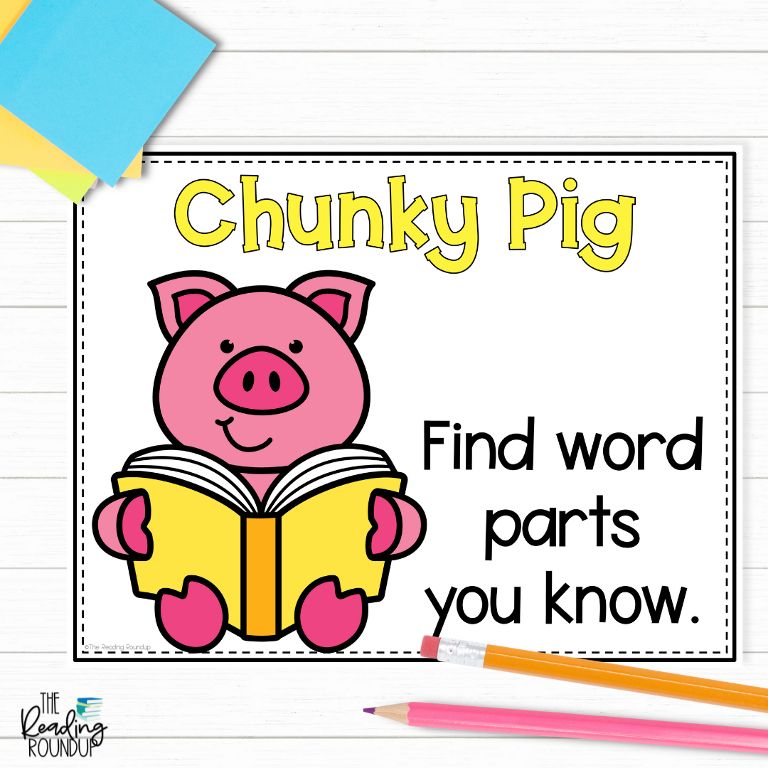
Chunky Pig serves the same purpose as the Chunky Monkey Beanie Baby strategy. She helps looks for known “chunks” in the words. This can be smaller words within larger words (an is in can), blends/digraphs (sh is at the end of fish), or endings (-s, -ing, -ed). The book There’s an Ant in Anthony is a great tool to help with this skill.
Vowel Owl
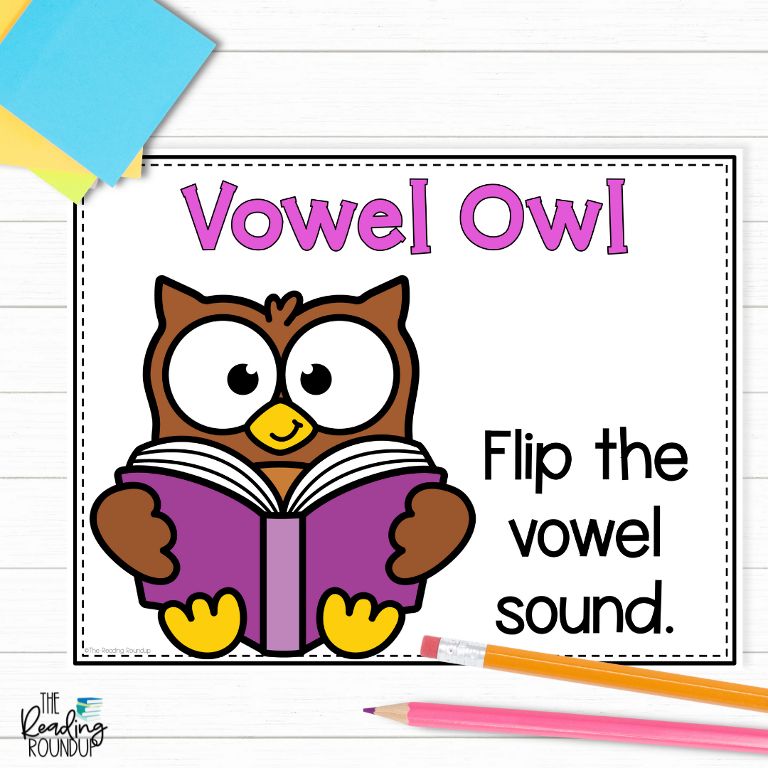
Vowel Owl requires students to have a knowledge of short and long vowel sounds. If the word is “pot” we would sound it out with the short vowel sound p-o-t and the long vowel sound p-o-t-e. Then we talk about which word would make sense in the sentence. Your students may also know which vowel sound to make depending on the orthographic mapping you’ve done to teach them the phonics rules.
Root Digger
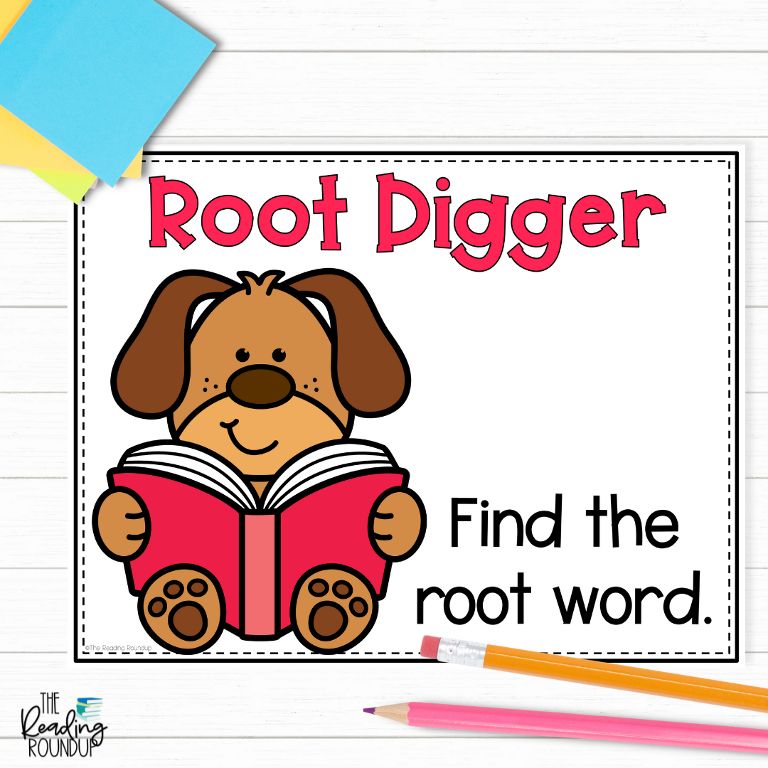
As the name implies, Root Digger looks for root words. He separates the root from affixes to help decode the unknown word. This skill is especially important for decoding multisyllabic words in the upper grades.
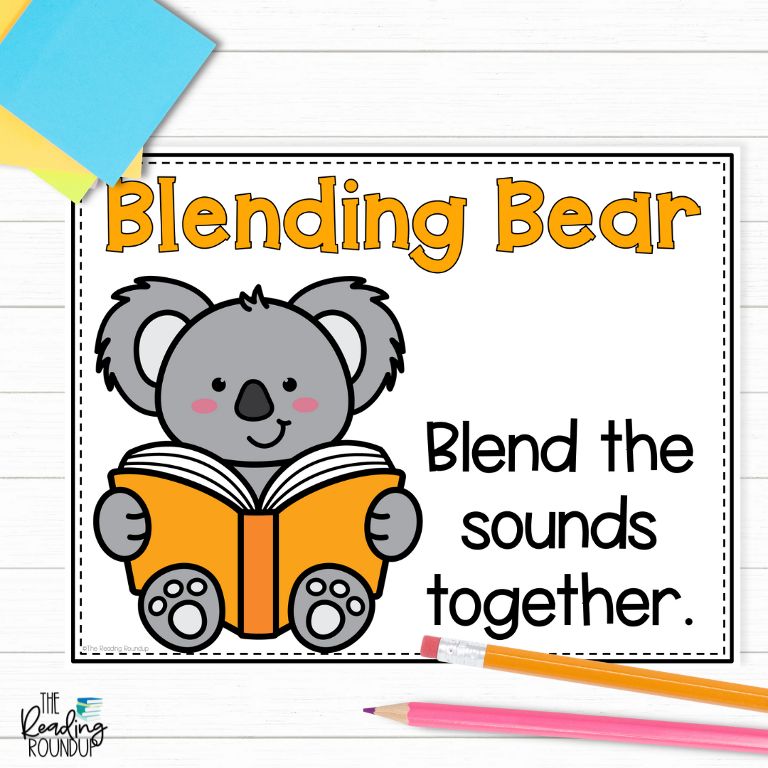
Blending Bear
After students use the above strategies to say the sounds, they must use Blending Bear to blend the sounds together. This encourages them to actually say the word rather than just the segmented sounds. They shouldn’t just say “c-a-t” and move on without blending it to say “cat.”
Checking Strategies
The following strategies tend to come at the end after students have decoded the unknown word. They are all used to help students make sure the word they read looks correct and makes sense
- Looking Lion – Makes sure that the word the student says matches the letters in the word.
- Checking Cat – Makes sure that the word makes sense in the sentence.
- Fix It Fox – Helps students fix any word that looks or sounds wrong.


Putting It All Together
As I introduce each strategy, I display the decoding strategies posters for students to refer to during reading small groups. I also initially keep stuffed animals on the table for students to physically grab when they’re stuck on a word. Through continued modeling and authentic practice, students begin to individually implement multiple strategies while reading!
This post is strictly an introduction to the strategies but you may be interested in learning tips for teaching the science of reading decoding strategies!
What other strategies do you use with your primary students to help them independently decode unknown words? Share in the comments below!
Want to Learn More?
You’ll love these related posts!


WANT TO PIN THIS FOR LATER?