


The See, Think, Wonder Strategy has completely transformed how I teach reading and significantly improved my students’ reading comprehension. But what is the See, Think, Wonder Strategy and how do you teach it? In this post, you’ll learn about See, Think, Wonder examples I’ve used with my students that you can easily implement in your own classroom!
See, Think, Wonder with Pictures
Emotions Pictures
Pictures showing emotions are an easy place to start. Students already have background knowledge on these emotions and can relate to the images. As you show students these images, they will identify the specific details that they see/notice. This is the evidence to support their inferences as to how they think the character is feeling (see the example below). These observations can also help students with the Show, Don’t Tell writing strategy.
I see… a girl with her head down, she’s frowning, markers on the table.
I think… she’s sad and wants to make a picture for someone she is missing.
I wonder… where is she? who is she missing?
It is important to not allow students to say “I see she is sad.” They must identify the specific details they notice to support their thinking that she is feeling sad.

High Interest Pictures
There are limitless options for pictures you can use with this strategy. Any picture that gets students asking questions and wanting to know more works perfectly! Typically these are the same images you use to practice making inferences or as writing prompts. As students look at the picture they can discuss what they see, think, and wonder. You may want to have them use a See, Think, Wonder template to record their thinking. It’s exciting because they predict, infer, and make connections naturally without even realizing it!
Older students love analyzing high-interest pictures from The NYTimes: What’s Going on in This Picture? Students analyze the picture using the See, Think, Wonder strategy before the teacher reveals the title of the article.
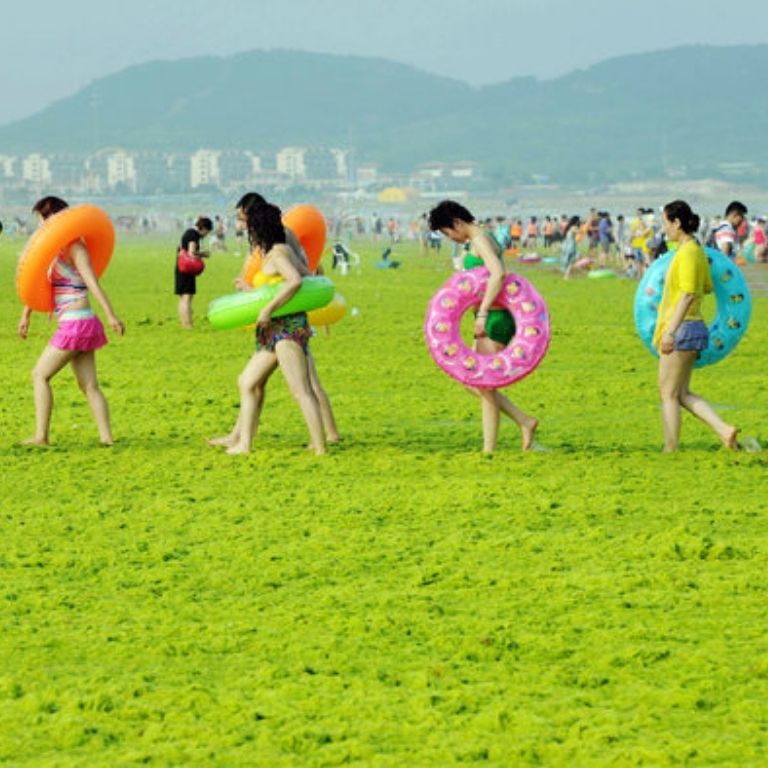
Once students are able to apply this thinking to a picture, you may want to turn it into a class routine. You could have a Picture of the Day/Week to provide continuous practice for critical thinking about an image. This quick activity gets kids thinking and keeps them engaged!
Flashlight Pictures
Students LOVE using these flashlight pictures! In this activity, an image is displayed in PowerPoint with a spotlight animation that only reveals a portion of the image at one time. We view the image 3 times with a different purpose each time. During the 1st viewing, students record the details they notice. In the 2nd viewing, students write down their thinking about what they see. The 3rd viewing is when students record any questions they are wondering about the image. Then the entire picture is revealed to see if students’ thinking about the image was correct!
Mystery Pictures
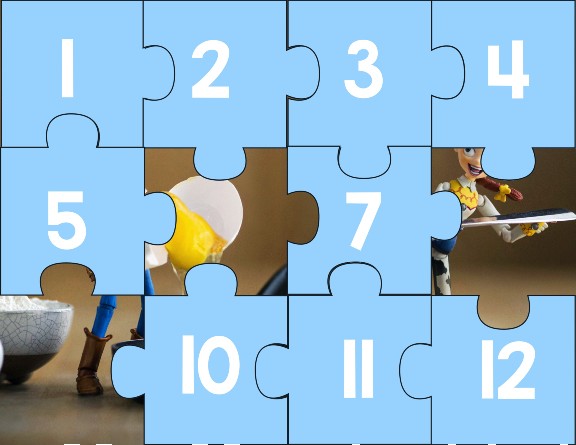
Mystery Pictures are another engaging example of how to practice the See, Think, Wonder strategy. In this activity, an image is displayed in PowerPoint but is covered with puzzle pieces. Students take turns removing one puzzle piece at a time. After each piece is removed, students discuss what they see and their thinking about what is happening in the picture.
Mitchel Wu Photography is fun to use for this activity! His pictures bring popular toy figurines to life in amusing scenarios!
See, Think, Wonder with Animated Shorts
As teachers, we love using animated shorts to teach various reading strategies! These short videos also work perfectly for implementing the See, Think, Wonder strategy. Teachers should preview the video ahead of time to identify various stopping points. Ideally, find points that lend themselves to predicting what will happen next or making inferences about the plot.
While viewing the animated short with students, provide a chance for them to discuss/record what they see, think, and wonder at that point in the video. The See part provides the evidence for the Think part where students make their inferences/predictions about the story. Learn more examples of using Animated Shorts for the See, Think, Wonder strategy. I’ll share the specific shorts I use, my stopping points, and student prompts to help you easily implement this activity with your students!
See, Think, Wonder with Text
Transitioning from using the See, Think, Wonder strategy with images/videos to text can be a challenge for students. As a result, it will require a lot of modeling and practice with this type of thinking! It’s usually beneficial to find high-interest nonfiction texts to use for this strategy. These types of articles naturally engage students and get them wondering more about the information. Plus you can pair it with images or videos to help build background knowledge to make the text more accessible for students.
Newsela articles work extremely well with the See, Think, Wonder strategy and lend themselves to annotating the text with thoughts and questions. Newsela is a free website that offers articles on current events that are popular with students. The articles are offered at a variety of reading levels which helps with differentiation. So all students can access the same content at their individual levels. Learn more examples of using Newsela for the See, Think, Wonder strategy. I’ll share the specific articles I use along with the YouTube videos I show students to build their background knowledge to make the text more accessible.

Students love these engaging pictures!
Be sure to download the FREE anchor chart and a graphic organizer to help you get started using the See, Think, Wonder Strategy with your students!
Want to Learn More?
You’ll love these related posts!



Want to Pin this for later?


