You have probably heard about the Science of Reading but might be unsure of where to begin. Or you may already be implementing these concepts in your classroom but would like to find additional resources. No matter what your experience level this post will inform you of the essential Science of Reading materials every elementary teacher needs.
Science of Reading Professional Literature
No matter where you currently are with your Science of Reading journey, there is always more to learn. There are a couple of essential books to help implement the concepts:
- Equipped for Reading Success by David Kilpatrick
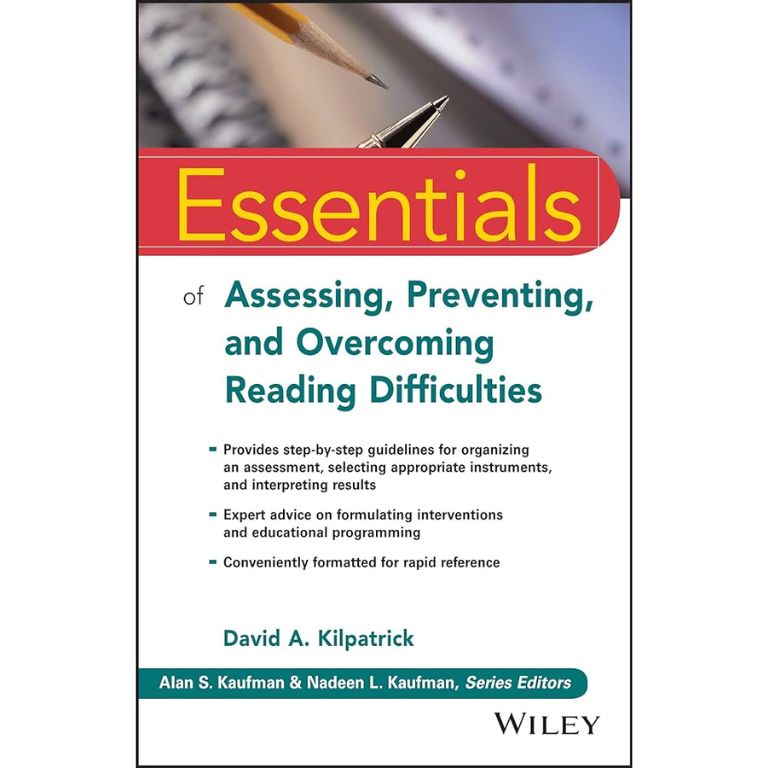
- Essentials of Assessing, Preventing, and Overcoming Reading Difficulties by Kilpatrick
You may also be interested in checking out my list of 10 Essential Science of Reading Books for additional recommendations.

This post includes affiliate links for which I may make a small commission at no extra cost to you should you make a purchase.
Universal Screeners
Before you can begin explicit instruction, you must first determine a baseline of students’ current ability levels. This helps identify skills they have mastered and areas for growth. These tools can be used as a screener at the beginning of the year and throughout the year as a progress monitoring tool. There is a substantial amount of assessments available, but these are the ones I use for phonological awareness and phonics.
- PAST (Phonological Awareness Screener)
- Core Phonics Survey
There are additional benchmark assessments you may be interested in administering with your students. You’ll also want to track students’ progress using data forms.
Explicit and Systematic Curriculum
One of the key components supported by the Science of Reading is the need for explicit, systematic phonics instruction. Students need to explicitly be taught phonics skills and decoding strategies. There are many methods you can implement with two popular ones being Orton Gillingham and Letrs. Both of these approaches require training which can honestly be quite expensive. Here are some alternatives that are a bit more affordable as you’re getting started:
- Equipped for Reading Success has 1 minute drills to develop phonological awareness.
- Heggerty offers daily phonological awareness activities that don’t take much time.
- UFLI Foundations is a phonics program from the University of Florida Literacy Institute.
- West Virginia Phonics Lessons are FREE to download!
Multisensory Tools
In addition to explicit phonics instruction, we also need to provide opportunities to enhance students’ memory and mastery of the skills through multimodal Instruction. These multi-sensory strategies involve visual, auditory, and tactile/kinesthetic activities. You can get very creative with what you use but some popular multisensory tools include:
- Slinkies and rubber bands for sounding out words.
- Mini erasers for Elkonian boxes.
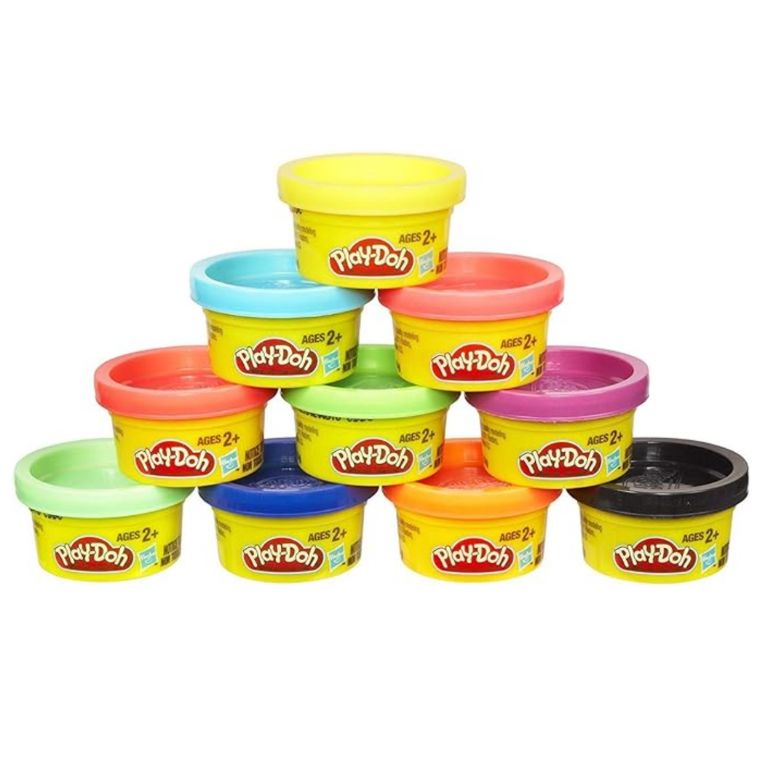
- Play doh for smashing the sounds in words.
View additional multisensory phonics activities that are simple to implement!


Decodable Texts
What are decodable texts? These texts contain words that can be decoded using phonics skills. Decodable texts allow students to practice the phonics skills they have explicitly been taught within connected text. Wiley Blevins’ book Choosing and Using Decodable Texts may help get you started with them. Some popular decodable texts:
- Free decodables from Flyleaf Publishing
- Free decodables from Half Pint Kids
- Whole Phonics Readers
- Scholastic Phonics Chapter Books
- West Virginia Phonics Lessons has free decodables at the end of their lessons.
Additional Science of Reading Materials
There are some other essential Science of Reading materials that our post wouldn’t be complete without mentioning.
Sound Wall
Many teachers have started replacing their Word Walls with a Sound Wall. But what is a sound wall? As the name implies, a sound wall is a place to display individual sounds (phonemes). As new sounds are introduced, the teacher adds them to the display with an anchor word that provides an example of the sound. Students can refer to the sound wall to assist them with applying phonics skills in their reading and writing.
Science of Reading Aligned Decoding Strategies
There are 9 new decoding strategies that incorporate the skills that proficient readers need to implement when reading. These strategies are similar to the popular Beanie Baby decoding strategies in that they provide visual reminders for students when they were stuck on a word. However, the new strategies are in alignment with the Science of Reading. The strategies empower primary students to tackle unknown words on their own without needing to ask an adult or try to guess a word.


While it may be overwhelming if you are at the beginning of your journey, don’t feel you have to implement this all at once! Pick one specific focus to begin implementing at a time. Maybe you want to start by reading professional literature to learn more or by trying the free West Virginia Phonics Lessons. No matter what you choose these provided Science of Reading materials will help you along the way!
What other resources and tools have you found beneficial with your implementation of the Science of Reading concepts? Share in the comments!
Want to Learn More?
You’ll love these related posts!


WANT TO PIN THIS FOR LATER?