


Making Inferences can be a challenging skill for elementary students. Find ways to scaffold the learning for students by teaching them how to infer with pictures before applying it to text. These engaging inference activities will make a challenging skill more accessible for your students.
This post includes affiliate links for which I may make a small commission at no extra cost to you should you make a purchase.
Engaging Tools for Inferences
These tools will help students start making inferences – without even realizing it! Gradually ease into the challenging skill with tools that don’t heavily rely on text. It teaches students how to think critically to make inferences without getting overwhelmed by reading the text.
High-Interest Pictures
Pictures showing emotions are an easy place to start. Students already have background knowledge on these emotions and can relate to the images. As you show students these images, they will identify the specific details in the picture and use their schema to infer how the character might be feeling.


Older students love analyzing high-interest pictures from The NYTimes: What’s Going on in This Picture? Students use details from the images and their background knowledge to infer what they think is happening before the actual caption is revealed. I recommend starting a PowerPoint where you can save these images to easily use with students!
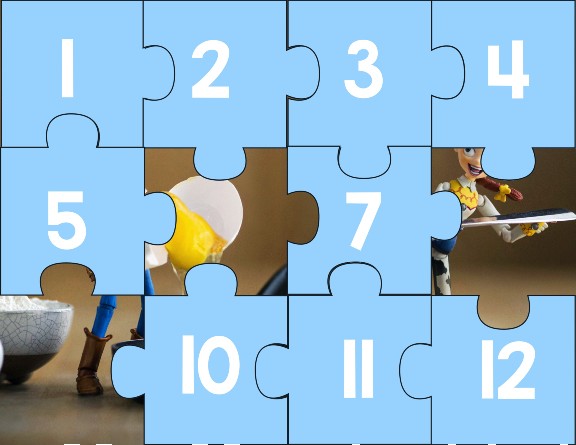
Mystery Pictures are another engaging way to infer. Cover up an image in PowerPoint with puzzle pieces. Students take turns removing one puzzle piece at a time. After each piece is removed, students can infer what the picture might be.
Comic Strips & Joke Books
Joke books are a fun way for students to make inferences. In order to understand the joke, they have to use details from the picture and their schema. Bonus – joke books are also a fun way to work on reading fluency! Check out some funny joke books for kids!
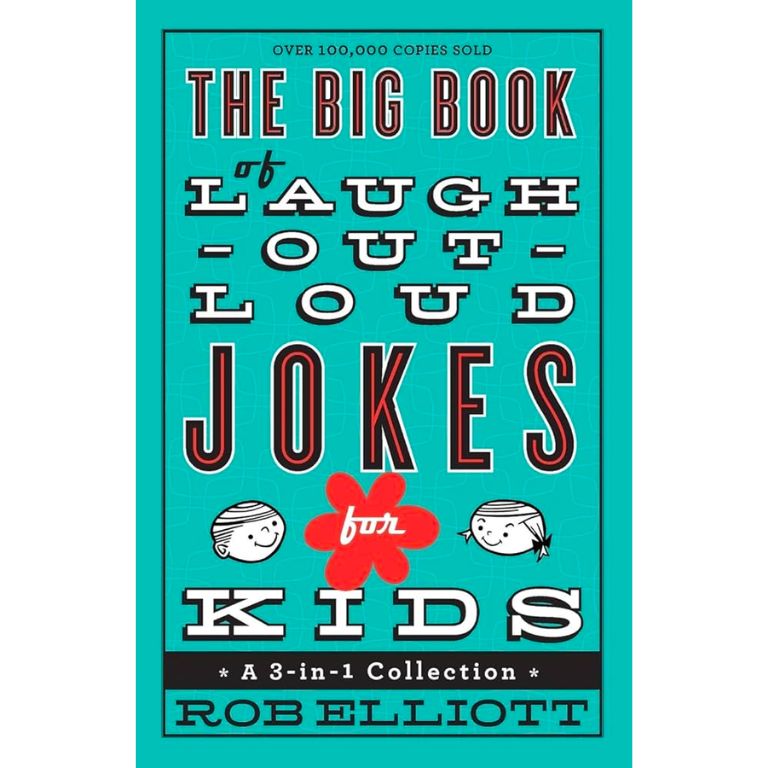
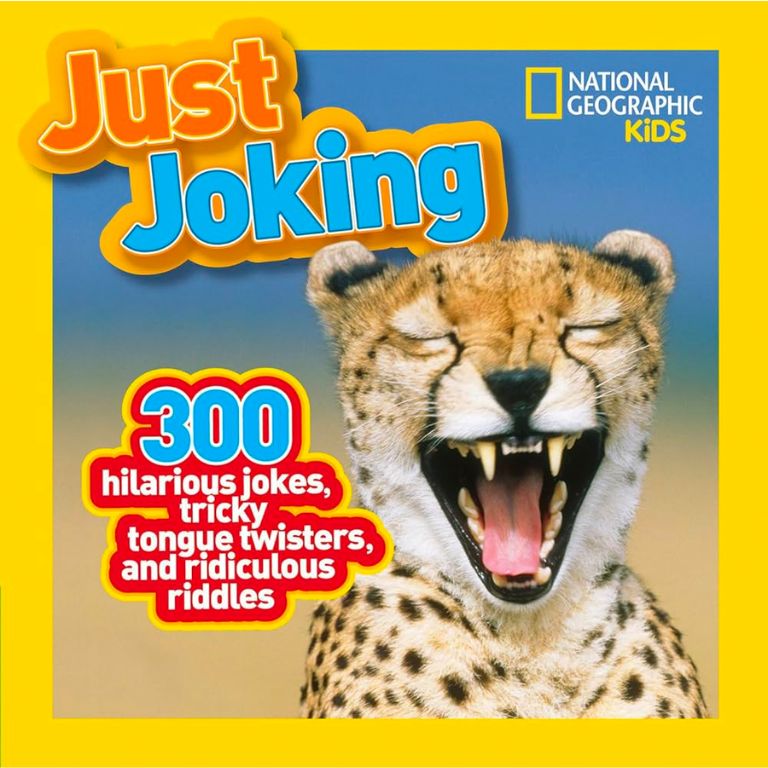
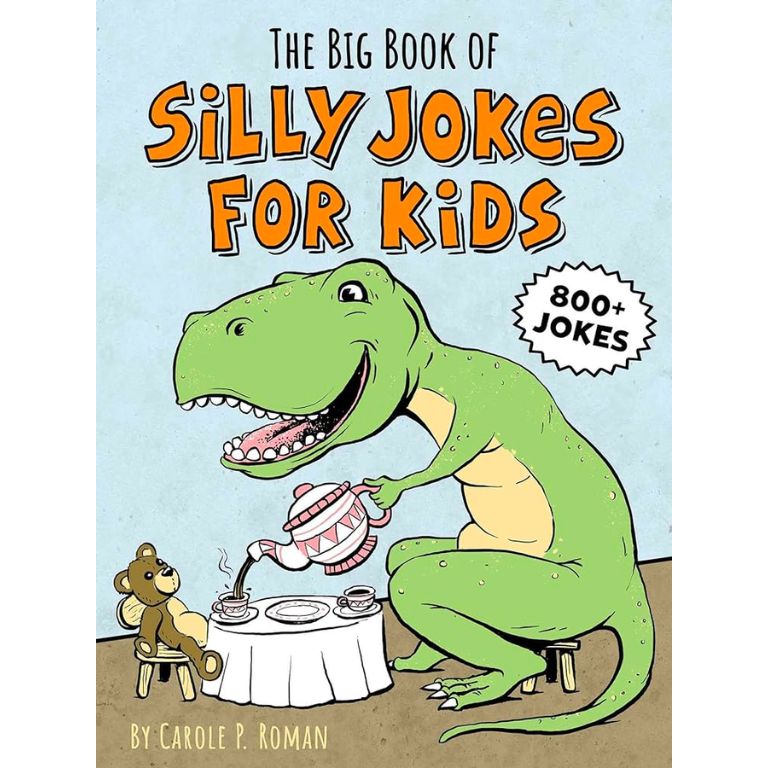
Comics are also a great way to work on inferences. Just like joke books, students need to use their schema and details from the comic to understand why it’s funny. The Far Side comics work well because they are a single pane with limited text. You’ll need to sort through them to find ones that are appropriate for students though! I started a PowerPoint presentation where I add new kid-appropriate comics that I find.
Mysteries and Detective Tools
Mysteries can be a fun way to practice making inferences. When they enter the room, I give students magnifying glasses and play some detective music. Sometimes we turn off the lights and use flashlights and highlighters to find our evidence. Keeps it fun! Students can feel like detectives with these engaging tools for making inferences:
- Magnifying glasses – fun for finding evidence in the text
- Encyclopedia Brown Series – short mysteries for student detectives to solve
- Cam Jansen Series – mysteries for younger readers to solve
- High-Interest Mini Mysteries – includes paired nonfiction texts to build schema
Inference Activities
These are additional inference activities you can complete with students. These activities make it fun and less intimidating for them!
Verbal Reasoning Activities
In Comprehension Connections by Tanny McGregor she shares how she peaks students’ interest with inference activities. She shows students various shoes (such as a worn-out slipper, shiny dress shoes, grass-stained sneakers, etc). Have students cite evidence to infer who they think the shoes belong to.
You can also create a mystery bag with several items inside. Students can use evidence to infer who they think may own the bag. Who do you think this bag might belong to?

Word association games are another fun option. Give students 3 words or 3 pictures. They must identify why they are all the same or which one does not belong. (example: orange, basketball, apple). There could be multiple answers! Apple might not belong because the other 2 are the color orange or basketball because the other 2 are fruit.
Making Inferences Games
Students love playing the Learning Well Inference School Days Game. There are 2 different levels: Red reading level 2.0-3.5 and Blue reading level 3.5-5.0.
Lakeshore Learning also has several fun inference games such: Hazard Mountain, Inference Grab & Play set, and Can Do Reading Games.
Literacy Centers
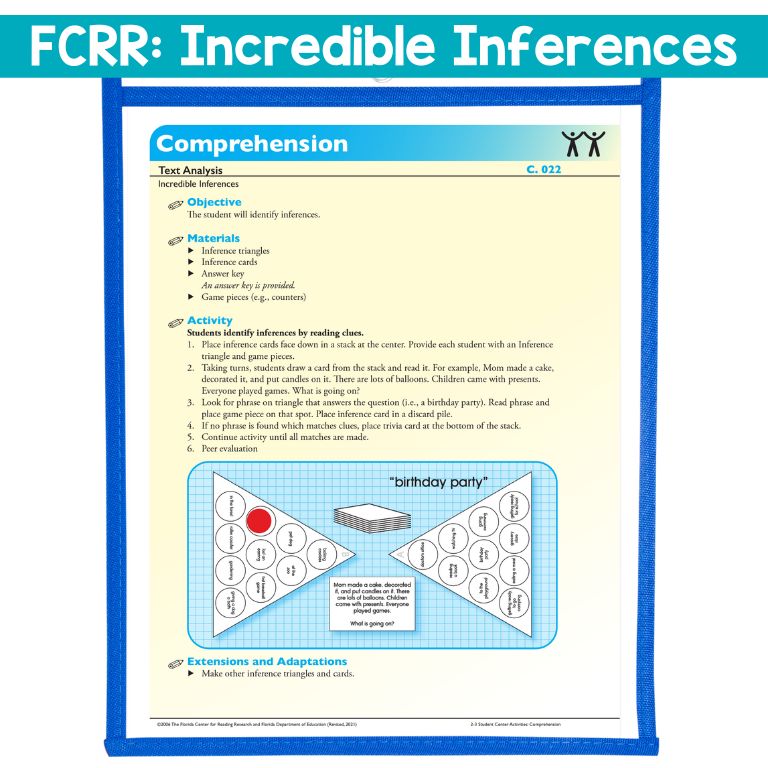
FCRR has FREE literacy centers you can download and print. These low-prep activities can be reused each year. You will find activities for phonics, fluency, vocabulary, and comprehension practice for grades K-5 on their site.
Inference Reading Passages
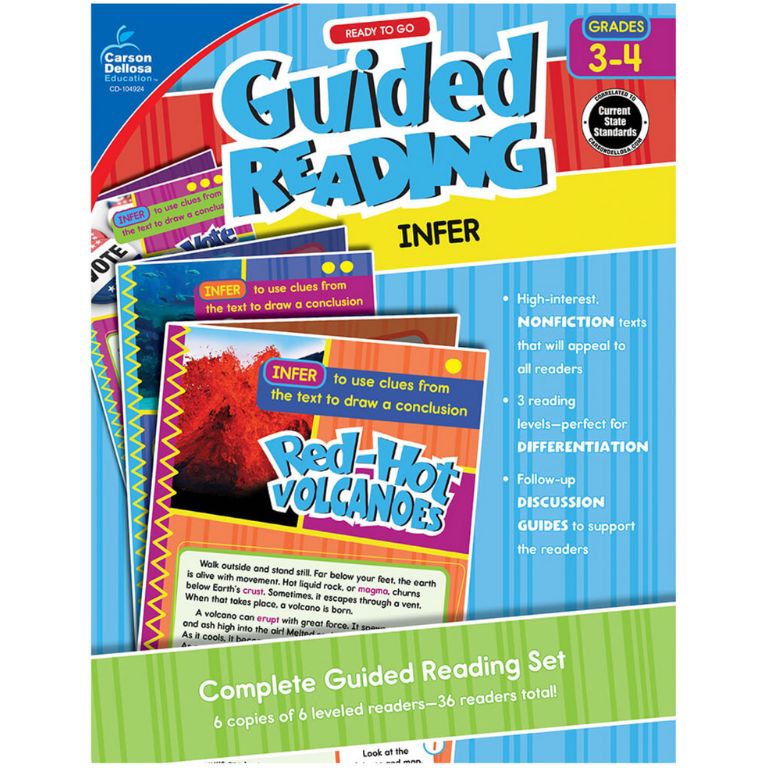
Carson Dellosa offers Guided Reading Text Sets for Making Inferences which provides 6 short stories, discussion prompts, and graphic organizers. The high-interest nonfiction texts come in 3 reading levels to help with differentiation. There are 3 options: 1st & 2nd Grade, 3rd & 4th Grade, and 5th & 6th Grade.
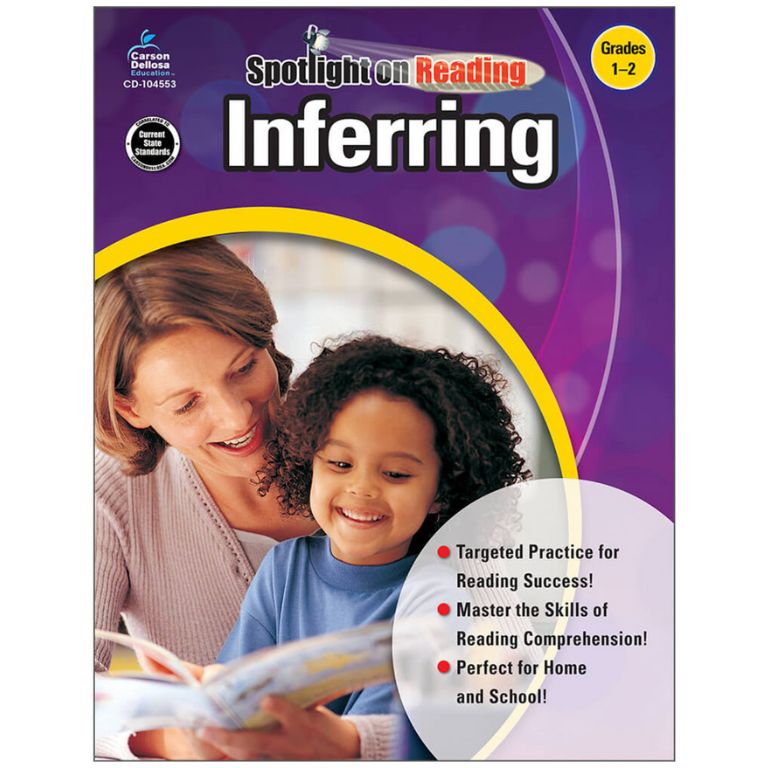
Spotlight on Reading: Inferring is another set from Carson Dellosa with books for the different grade levels. They feature short texts with questions that can be used for test prep. Be sure to use the code READINGROUNDUP10 to get 10% off your order!
Inference Resources
You may want to check out these tips for How to Teach Inference or these resources for additional inference activities:


What other engaging inference activities and tools have you used with your students? Share with us in the comments!
Want to Learn More?
You’ll love these related posts!


WANT TO PIN THIS FOR LATER?




One Comment
Comments are closed.